// FIELD INTERCEPT: ENVIRONMENTAL & INFRASTRUCTURE AUDIT
Grid Strain, Environmental Fallout & Acoustic Monitoring (Part 2)
Published: September 2026 — Wendy DiAlesandro | Classification: Field Evidence & Physical Impact Audit
Detailed PJM transmission grid strain analysis, multi-system environmental degradation, and localized noise audit metrics for the proposed Shalersville data center corridor.
// INTERCEPT: REGIONAL GRID STRAIN & TRANSMISSION INFRASTRUCTURE //
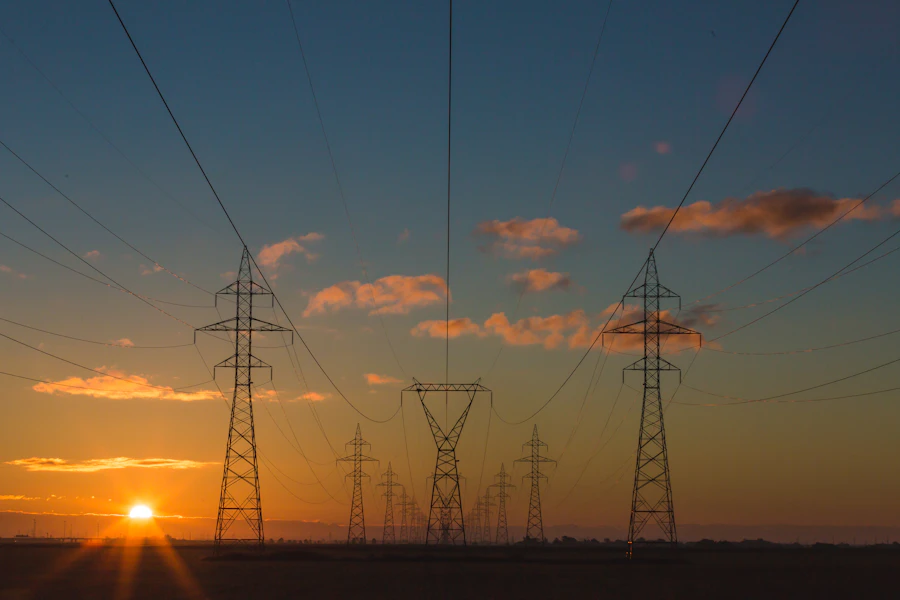
High-voltage transmission lines and regional substation infrastructure sustaining hyperscale industrial power loads. (Click image to open PJM grid resources)
4. Infrastructure Strain & Comprehensive Environmental Fallout
Large-scale data center developments like the proposed Turnpike Center project bring severe, multi-faceted environmental burdens to local municipalities. Beyond basic land-use changes, industrial server farms introduce aggressive systemic pressures across air, water, land, and community health:
-
Massive Power Demand, Transmission Strain & Ratepayer Risk:
Drawing an eventual 750 megawatts places an unprecedented electrical burden on the regional transmission grid managed by PJM Interconnection. This scale of continuous, 24/7 power draw rivals heavy manufacturing hubs or entire mid-sized cities. To feed high-density AI clusters and crypto-mining ASICs, utilities must construct high-voltage transmission tie-ins and dedicated massive substations.
The financial fallout of these multi-million dollar grid augmentations frequently trickles down via transmission riders and capacity market auctions. Without rigorous mandatory tariffs requiring industrial operators to cover 100% of their infrastructure footprints, everyday residential ratepayers face rising baseline distribution and transmission fees on their monthly utility statements to subsidize tech-sector grid expansion.
- Water Depletion & Chemical Pollution: High-density servers require relentless cooling loops. Beyond consuming millions of gallons of municipal or well water daily—rapidly depleting local Portage County aquifers—open and closed-loop cooling systems require heavy chemical treatments including biocides, scale inhibitors, and anti-corrosive agents. Wastewater blowdown and industrial runoff from these chemical regimens risk seeping into local watersheds, agricultural drainage tiles, and regional water tables.
- Diesel & Air Pollution: To guarantee uninterrupted 99.999% uptime, multi-building server campuses deploy vast batteries of industrial backup diesel generators. During regional grid failures or mandated monthly testing windows, these colossal engines burn thousands of gallons of diesel fuel simultaneously, pumping significant nitrogen oxides (NOx), carbon monoxide, and fine particulate matter (PM2.5) directly into rural airsheds.
- Thermal (Heat) Pollution & Agricultural Impact: Exhaust heat plumes discharged from mechanical HVAC chiller yards and giant cooling towers create hyper-localized microclimate shifts. Surrounding farmlands, orchards, and livestock pastures experience elevated ambient temperatures and altered local humidity, placing biological stress on crops and native vegetation.
- Ecosystem & Wildlife Disruption: The conversion of open farmland and natural habitat into a fenced, floodlit, 15-building industrial fortress fragments local wildlife corridors. Nocturnal animals, migratory birds, and regional fauna face severe habitat loss, compounded by year-round security lighting and constant mechanical disturbance.
5. Acoustic Monitoring, Decibel Thresholds & Psychological Fallout
One of the most contentious battles in rural data center developments centers on acoustic pollution. Geis representatives have formally proposed that the campus be permitted to exceed current ambient noise levels by 10 decibels at property boundaries.
Because the decibel scale is logarithmic rather than linear, a 10 dB increase does not just sound "a little louder"—it represents a tenfold increase in physical sound intensity. For rural residents accustomed to quiet nights where ambient background levels hover around 30 to 40 decibels, introducing a continuous industrial hum transforms the acoustic environment entirely.
The engineering profile of a multi-building data center features thousands of high-velocity server rack cooling fans, massive transformer substations, and giant commercial HVAC chillers running uninterrupted 24 hours a day, 7 days a week. This creates a persistent, low-frequency infrasound and humming vibration that travels significantly further than high-pitched noise, penetrating exterior walls and double-paned windows.
The human and domestic cost of persistent low-frequency noise pollution includes:
- Chronic Sleep Deprivation: Low-frequency drone prevents deep REM sleep, leading to long-term health degradation, elevated cortisol levels, chronic fatigue, and neurological strain.
- Property Value Degradation: Rural homeowners investing in peaceful countryside acreage find their properties rendered virtually unmarketable next to an industrial buzzing compound.
- Livestock & Animal Stress: Continuous mechanical noise and ground-borne vibration negatively affect livestock behavior, milk production in dairy cattle, and local wildlife reproduction cycles.
INDEX & VERIFIED SOURCE DIRECTORY (PART 2)
Intelligence and parcel evidence compiled for this acoustic and environmental audit are backed by the following development portfolios and local public records: